Breakthrough Relief for Lower Back and Knee Pain: Discover the Power of PRP Therapy
Nov 04, 2026
Lower back pain and knee pain are two of the most common reasons people end up in a pain management office, and they share a frustrating pattern: the standard treatments help for a while, then stop.
Anti-inflammatories wear off. Steroid injections bring temporary relief that doesn’t hold.
Physical therapy can improve strength, mobility, and function, but some patients continue to experience pain despite these benefits. Platelet-rich plasma (PRP) therapy is designed to address the tissue contributing to pain.
At Spine & Joint Doc, Mahesh Mohan, MD, a board-certified pain management physician, uses PRP therapy to treat lower back and knee pain from our offices in Frisco, Fort Worth, Dallas, and Arlington, Texas.
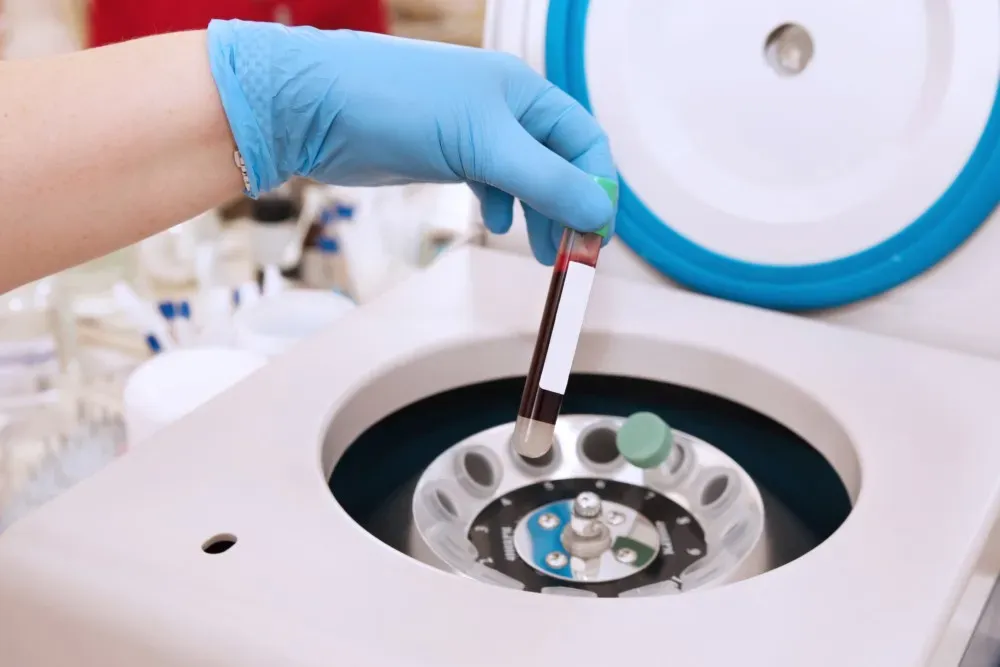
PRP stands for platelet-rich plasma. Dr. Mohan draws a small sample of your blood, spins it in a centrifuge to concentrate the platelets, and injects the resulting solution into the source of your pain under imaging guidance.
Platelets contain growth factors and signaling molecules that may help regulate inflammation and support tissue healing. Unlike corticosteroids, which suppress inflammation temporarily, PRP aims to stimulate repair in the tissue itself.
Lower back pain can have many causes, and not all of them are good candidates for PRP. The conditions where research supports its use include:
The facet joints along the back of your spine wear down like any other joint. Facet joint pain may account for roughly 15-45% of chronic low back pain cases.
A 2022 review in Orthopedic Reviews reported encouraging early findings, but noted that evidence remains limited and larger studies are needed.
Lumbar discs break down gradually over years, losing height, developing internal tears, and generating chronic pain that worsens with standing or activity. A 2023 randomized controlled trial found that PRP provided sustained pain relief in patients with prolapsed intervertebral discs and could serve as an alternative to more invasive procedures.
The sacroiliac (SI) joints connect your pelvis to your lower spine and can become inflamed or unstable. PRP injections into the area aim to calm inflammation and support the surrounding ligaments.
Dr. Mohan determines which structure is generating your pain before recommending PRP, since treating the wrong target produces no benefit regardless of the injection.
PRP has been studied more extensively for knee pain than almost any other joint, and the evidence is strong for certain presentations.
PRP for knee osteoarthritis is one of the most studied uses of regenerative injection therapy, and research consistently shows improvements in pain and function that last several months after treatment. Results tend to be strongest in patients with early-to-moderate cartilage loss rather than advanced, bone-on-bone disease.
Tendon injuries around the knee heal slowly because of limited blood supply. PRP delivers concentrated growth factors to the injured tendon and may help support the healing process.
Some studies suggest PRP may help support healing in certain partial ligament injuries, though evidence is less established than for knee osteoarthritis. Concentrated platelets support the repair process in tissue that heals poorly on its own.
PRP tends to produce better results in patients with mild to moderate damage. Severely worn joints with bone-on-bone contact or advanced disc collapse have less tissue left for PRP to work with. These patients may need a different approach.
A few factors tend to line up in patients who do well with PRP:
Dr. Mohan reviews your imaging, pain history, and response to previous treatments before recommending PRP. Not every patient is a fit, and he tells you if another approach gives you a better shot at relief.
Lower back and knee pain that keep cycling through temporary fixes may respond to a treatment that targets the tissue itself. Call the Spine & Joint Doc office nearest you or book an appointment online today for your evaluation.